|
Santorini – Merzouga & Bonnen |
 |
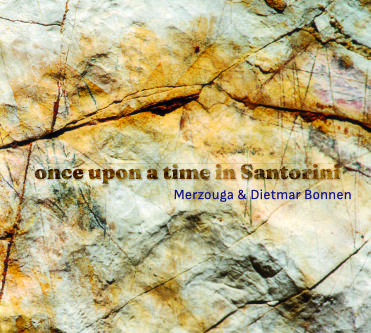
Santorini – Merzouga & Bonnen
|
|
Die Elektronikmusikerin Eva Pöpplein, der E-Bassist Janko Hanushevsky und der Pianist Dietmar Bonnen begegnen sich zufällig auf Santorini – jener Insel, auf der der griechische Gott der Musik und göttlichen Inspiration, Apollo, der Mythologie nach geboren wurde. Spontan packen sie ihre Mikrofone aus und beginnen, Klänge auf der Insel aufzunehmen. Gemeinsam entwickeln sie in einem Hotelzimmer eine Klangkomposition, die sie in einer Sommernacht in einer griechischen Taverne am Meer zur Aufführung bringen.
In ihrer Komposition reagieren die drei Musiker auf die widersprüchliche Wirklichkeit des Santorini des 21. Jahrhunderts. In den vergangenen Jahrzehnten hat sich die mythologische Heimat Apollos in einen Tempel des Konsums verwandelt, geprägt von Overtourismus und Kommerz. Ein Ort, an dem Mythologie auf die Luxusresidenzen von Ölscheichs und Influencern trifft. Überteuerte Restaurants und Souvenirläden bedienen die Massen von Touristen, die in regelmäßigen Abständen von Kreuzfahrtschiffen auf die Insel gespült werden. Überfüllte Küstenorte stehen im Kontrast zu verlassenen Berglandschaften. Darunter brodelt ein Vulkan. Die Komposition verwebt Klänge aus einer verlassenen Tomatenkonservenfabrik, Field Recordings von einer belebten Promenade und den Wind in vertrockneten Kakteen hoch über der Inselhauptstadt. Das zeitlose Zirpen der Zikaden durchzieht die Klanglandschaft. Unbeeindruckt von all dem brandet das Mittelmeer gegen die Küste – und in den Ohren der Zuhörer*innen – und wird zu einem zentralen Element der Komposition. Das längste kontinuierliche Geräusch der Erde rahmt das Stück, so wie es die Insel selbst umgibt. Es entsteht eine sinnliche Klanglandschaft, in der sich die drei Instrumente in einem fortwährenden energetischen und musikalischen Austausch bewegen. |
Electronic- musician Eva Pöpplein, electric bassist Janko Hanushevsky, and pianist Dietmar Bonnen meet by chance on Santorini — the very island where Apollo, the Greek god of music and divine inspiration, is said to have originated from. Spontaneously, the three of them unpack their microphones and start recording sounds on the island. Together they begin to develop a soundcomposition in a hotel room, and perform it on a summer night in a Greek tavern by the sea. In their composition the three musicians respond to the world of contradictions that 21st century Santorini has become: in the past decades the mythological home of Apollo has been transformed into a temple of consumerism, completely distorted by overtourism and commerce. A place where mythology meets the luxury residences of oil sheiks and influencers. Overpriced restaurants and souvenir shops cater to hordes of tourists that are being spilled out of cruise-ships in regular intervals and flood the island. Crowded coastal towns contrast with deserted mountain landscapes. Beneath it all, a volcano is rumbling. Sounds from an abandoned tomato-can factory. Field-recordings from a crowded promenade. The wind in the withered cacti on a ridge high above the island‘s capital. The timeless drone of cicadas. Unimpressed by all this, the Mediterranean crashes against the shores and the ears of the listeners in the trio‘s composition. The longest continuous sound on Earth frames the composition, just as it frames the island. A sensual soundscape in which the three instruments move in constant energetic and musical exchange.
|
|
|
|
|